
Our Issues
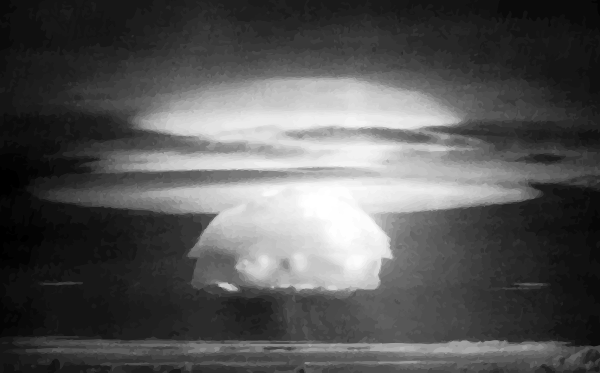
NUCLEAR WEAPONS
We work to oppose our massive nuclear weapons complex. This expensive and dangerous choice is something we can change.
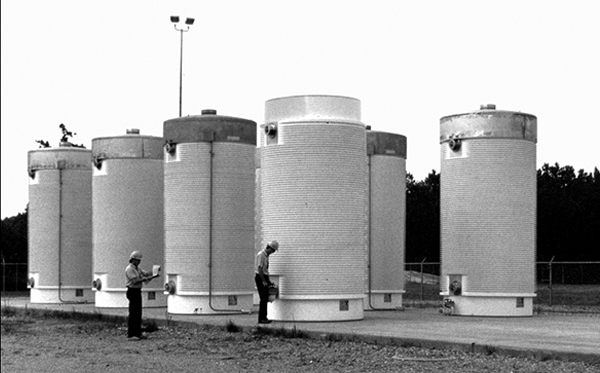
NUCLEAR WASTE
Nuclear waste remains a dangerous legacy of energy and weapons production. We need a responsible nuclear waste disposal strategy.
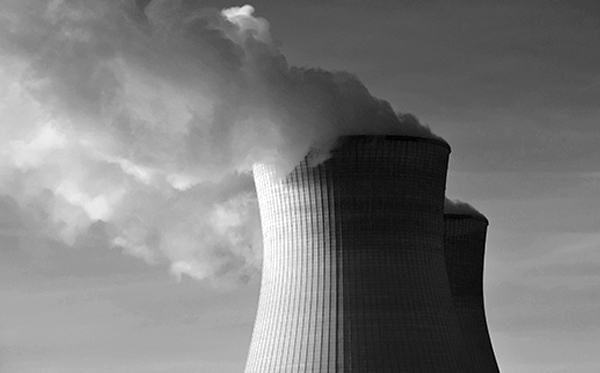
NUCLEAR ENERGY
The time has come for a carbon-free, nuclear free future. Nuclear Energy is expensive, dirty, and dangerous; We can do better.
Map of ANA Sites Across the U.S.
Map of DOE nuclear facilities which concern the Alliance for Nuclear Accountability. This list includes active National Nuclear Security Administration sites (purple) , Environmental Management sites (green), and Legacy Management sites (yellow).
View Department of Energy Nuclear Complex Sites in a larger map ➩CLEANUP SITES ONLY (Map from DOE Environmental Management website)
The map above shows the remaining 15 active EM sites where cleanup work is currently ongoing. Learn more about the 92 completed sites here.
To visit site-specific webpages, please click on the site name in the below table or the location on the map below.
| Site Name | Type(s) of Cleanup Work Performed |
|---|---|
| EMCBC-New York (formerly DOE SPRU Field Office) |
|
| Energy Technology Engineering Center (ETEC) |
|
| Hanford Office of River Protection |
|
| Hanford Richland Operations Office |
|
| Idaho |
|
| Lawrence Livermore National Laboratory |
|
| EM-Los Alamos |
|
| Moab |
|
| Nevada National Security Site |
|
| Oak Ridge |
|
| Paducah |
|
| Portsmouth |
|
| Sandia National Laboratories |
|
| Savannah River Site |
|
| Waste Isolation Pilot Plant (WIPP) |
|
| West Valley Demonstration Project |
|
Congressional Views on Nuclear Weapons and Waste
The Congressional Mapping Project
This project tracks the views of key senators and representatives on nuclear weapons and waste. To use this resource, select the state that you wish to view and you will be redirected to a page containing information about that states’ senators and representatives.
click to view full map
The map above depicts the views of various members of congress on nuclear energy and weapons.
To start viewing, simply click on a state and you will be redirected to a page with information on that states’ congressional representation.
The American Centrifuge Facility (The Piketon Atomic Plant): “Piketon’s New Nuclear Chapter” – Excerpt from the Scioto Valley Guardian
JAY SALLEY, NEWS EDITOR – THE SCIOTO VALLEY GUARDIAN
In the previous month, 96 U.S. Senators, cast their votes in favor of an amendment to the 2024 National Defense Authorization Act. The amendment’s aim is to “mandate the Secretary of Energy to establish a Nuclear Fuel Security Program, expand the American Assured Fuel Supply, establish a HALEU for Advanced Nuclear Reactor Demonstration Projects Program, and submit a report on a civil nuclear credit program, and to enhance programs to build workforce capacity to meet critical mission needs of the Department of Energy…”
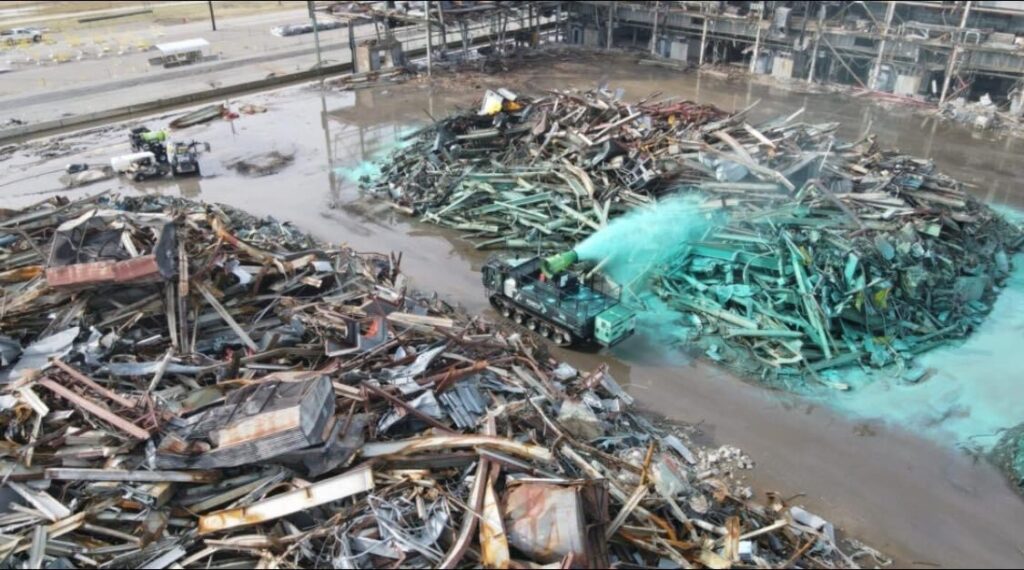
The current cleanup of the GDP has created a whirlwind of controversies since it began.
In 2019, Zahn’s Corner Middle School closed due to reported contamination within the school building. The Scioto Valley Local School District, at the time, informed the community of the discovery of Neptunium 237 (Np-237), a man-made radioactive element characterized by a 2.144-million-year half-life, in air samples at the school. Np-237 poses significant radioactivity and potential hazards to human health, manifesting in severe repercussions upon ingestion or inhalation, including cancer. The introduction of Np-237 into the environment can occur through the discharge of nuclear waste. Health impacts, experts say, are contingent on the level and mode of exposure, with short-term exposure leading to symptoms like nausea, vomiting, and diarrhea, and prolonged exposure heightening cancer risks. Its presence in the environment is also concerning, as its persistence can lead to contamination of soil, water, and air, along with its accumulation in plants and animals that enter the human food chain.
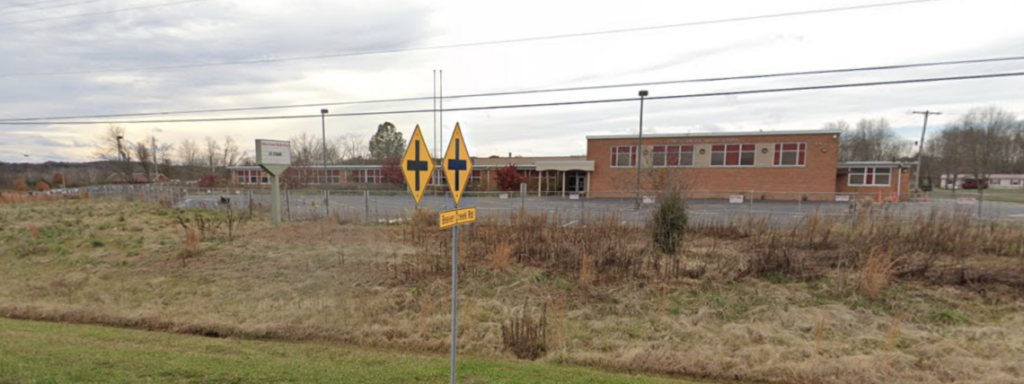
Private air monitoring stations have reported numerous radioactive isotopes in areas surrounding the plant, extending to Lucasville and Chillicothe.
In April 2019, Dr. Michael Ketterer, Professor Emeritus at Northern Arizona University, released a report following the identification of radioactive contamination within a Lucasville resident’s home. The report concluded that Neptunium and Plutonium found in homes and private air monitoring stations were directly linked to the “Atomic Plant.”
As per the Ohio Department of Health, Pike County’s cancer incidence rate between 2014 and 2018 exceeded the state average by 14% and the national average by 19%. The county predominantly sees cases of Lung and Bronchus cancer, along with elevated rates of Breast Cancer among female residents. A study led by Joseph J. Mangano, MHP, MPA, an epidemiologist and the executive director of the Radiation and Public Health Project, further highlighted that Pike County boasts the highest cancer rates among Ohio’s 88 counties.
In 2020, former plant employees filed a lawsuit against contractors working for the U.S. Department of Energy at the time, alleging the creation of a hazardous environment for workers and nearby residents. The lawsuit, initially branding the contractors involved in “cleaning up the facility” a “criminal enterprise,” was linked to the release of dangerous “isotopes” and “radioactive material” over the years. An additional federal lawsuit was filed against Centrus and the previous site cleanup contractors alleging similar allegations of radioactive contamination in homes near the plant. That lawsuit is still ongoing in federal courts.
While the facility is viewed as a regional economic cornerstone, supplying numerous jobs, concerns about safety outweigh the financial benefits in the eyes of many community members. Vina Colley, a former employee of the GDP, is among those who have taken a stand against the facility. Colley, who has vocally decried rising cancer rates and linked radioactive contamination to the GDP clean-up efforts, appeals for a thorough examination of reports and facts before advocating for full-time operations at the neighboring Centrus facility. She calls upon current Secretary of Energy Jennifer Granholm to take action and to listen to those affected by the radioactive contamination.
Activist groups in the state continue to push for Ohioans, particularly those affected by the Portsmouth Gaseous Diffusion plant, to receive compensation under RECA due to potential radiation-related health concerns. The Radiation Exposure Compensation Act (“RECA”), established under 42 U.S.C. § 2210 note, offers compensation to individuals who suffered serious illnesses due to presumed radiation exposure during atmospheric nuclear tests or uranium industry work. Administered by the Attorney General, the program provides lump sum awards for three groups: Uranium Miners, Millers, and Ore Transporters; “Onsite Participants” in nuclear tests; and individuals who lived downwind of the Nevada Test Site (“Downwinders”).
The Department of Energy maintains that the new HALEU production is conducted within stringent safety parameters and is isolated from the surrounding environment. “We are committed to the highest standards of safety and security in our operations,” said a Centrus spokesperson. However, the glaring disparity between official assurances and the community’s lived experiences underscores the need for transparent oversight and accountability.
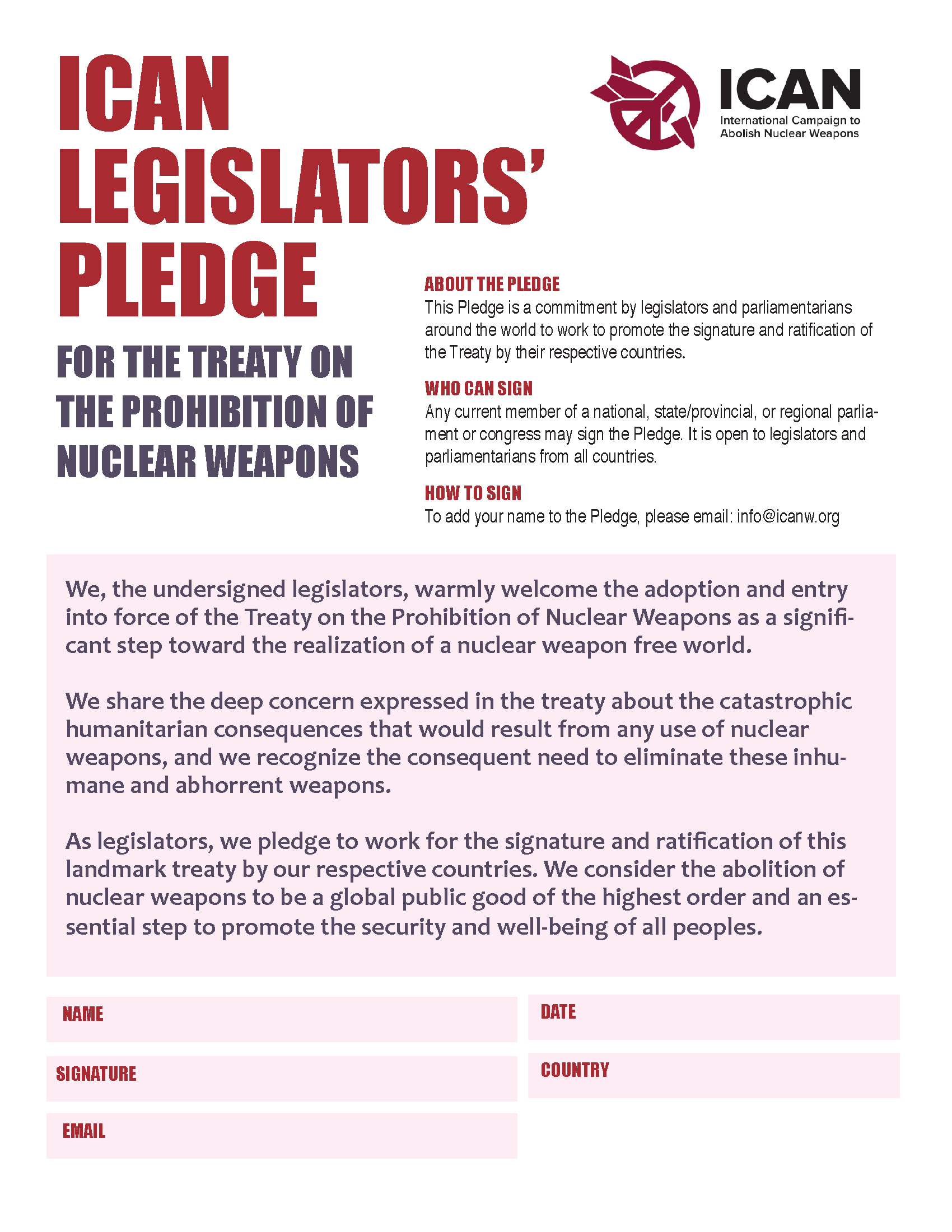
Nuclear Ban Treaty: Resources & More Info
THE U.N. TREATY ON THE PROHIBITION OF NUCLEAR WEAPONS
On 7 July 2017 – following a decade of advocacy by ICAN and its partners – an overwhelming majority of the world’s nations adopted a landmark global agreement to ban nuclear weapons, known officially as the Treaty on the Prohibition of Nuclear Weapons. It entered into legal force on January 22nd of this year, 2021, when the first 50 nations signed and ratified it.
Prior to the treaty’s adoption, nuclear weapons were the only weapons of mass destruction not subject to a comprehensive ban, despite their catastrophic, widespread and persistent humanitarian and environmental consequences. The new agreement fills a significant gap in international law.
It prohibits nations from developing, testing, producing, manufacturing, transferring, possessing, stockpiling, using or threatening to use nuclear weapons, or allowing nuclear weapons to be stationed on their territory. It also prohibits them from assisting, encouraging or inducing anyone to engage in any of these activities.
All ANA News
The American Centrifuge Facility (The Piketon Atomic Plant): “Piketon’s New Nuclear Chapter” – Excerpt from the Scioto Valley Guardian
While the facility is viewed as a regional economic cornerstone, supplying numerous jobs, concerns about safety outweigh the financial benefits in the eyes of many community members. Vina Colley, a former employee of the GDP, is among those who have taken a stand against the facility. Colley, who has vocally decried rising cancer rates and linked radioactive contamination to the GDP clean-up efforts, appeals for a thorough examination of reports and facts before advocating for full-time operations at the neighboring Centrus facility. She calls upon current Secretary of Energy Jennifer Granholm to take action and to listen to those affected by the radioactive contamination.
2023 DC Days Ask Report: Break the Cycle for a Safer Future and Two-Pager Recommendations to Congress

MEDIA ADVISORY: WHAT TO LOOK FOR IN THE U.S. DEPARTMENT OF ENERGY’S FY 2024 NUCLEAR WEAPONS AND CLEANUP BUDGET REQUEST
The Biden Administration is releasing its Fiscal Year 2024 federal budget on Thursday, March 9. It is expected to be a “skinny budget” with just topline financial numbers. If the pattern of the last few years for the Department of Energy’s (DOE’s) budget is continued,...
Despite a grace period for Diablo Canyon nuclear plant, federal regulators say no to resuming review of PG&E’s extension request.
It’s a hard road, even with a $1.4 billion inducement. Members of Mothers for Peace were joined in recent decades by the Alliance for Nuclear Accountability. The Alliance called the deal a financial “shell game,” and the Mothers said the safety issues were major:...
Ike White Discusses Cleanup with Alliance for Nuclear Accountability
EM Senior Advisor William “Ike” White met with members of the Alliance for Nuclear Accountability (ANA) on May 17 to discuss timely topics in the cleanup program, from DOE’s Justice40 Initiative and stakeholder involvement in EM’s Strategic Vision to waste disposal...
2022 DC Days Ask Report
Our DC Days 2022 Ask Report is out now! Alliance for Nuclear Accountability groups focus on: Stopping new nuclear weapons design, engineering, production, and testing activities. Addressing challenges from cleanup and waste management, processing, storage, and...
Full Event Recording: Bob Alvarez Lifetime Achievement Award Party
View above the live recording of the Alliance for Nuclear Accountability (ANA) and Nuclear Information and Resource Service (NIRS) honoring Bob Alvarez with a Lifetime Achievement Award on Saturday, March 19, 2022! Also take a look at this kudoboard where we've...

DOE Consent for Interim Storage Starting (AGAIN)!
The Department of Energy's Federal Register has the attached announcement of a public comment period through March 4, 2022 for consent-based siting of spent fuel storage. Stay tuned for sample comments from ANA and our member groups. View: Notice of Request for...
New Beyond Nuclear fact sheets opposing Consolidated Interim Storage Facilities
New Beyond Nuclear fact sheets opposing Consolidated Interim Storage Facilities: Maximizing Health and Environmental Protection: Permanent Geologic Disposal versus Surface Storage of Nuclear Waste; Licensing Now Underway for Two Unlawful Consolidated ‘Interim’ Storage...
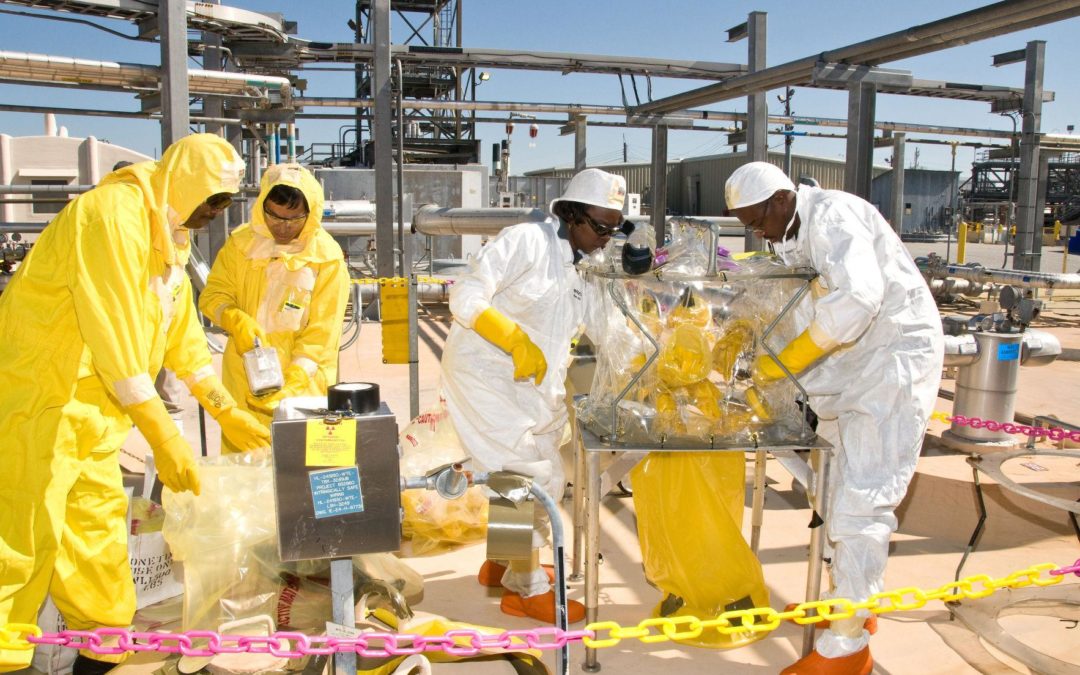
‘Big and bold action’ needed from next DOE cleanup boss, say advocates
By Colin Demarest cdemarest@aikenstandard.com | Post & Courier postandcourier.com An alliance of more than 30 organizations in a Monday letter to Energy Secretary Jennifer Granholm stressed that the next leader of the Energy Department’s nuclear cleanup office...